 Caleb & Logan’s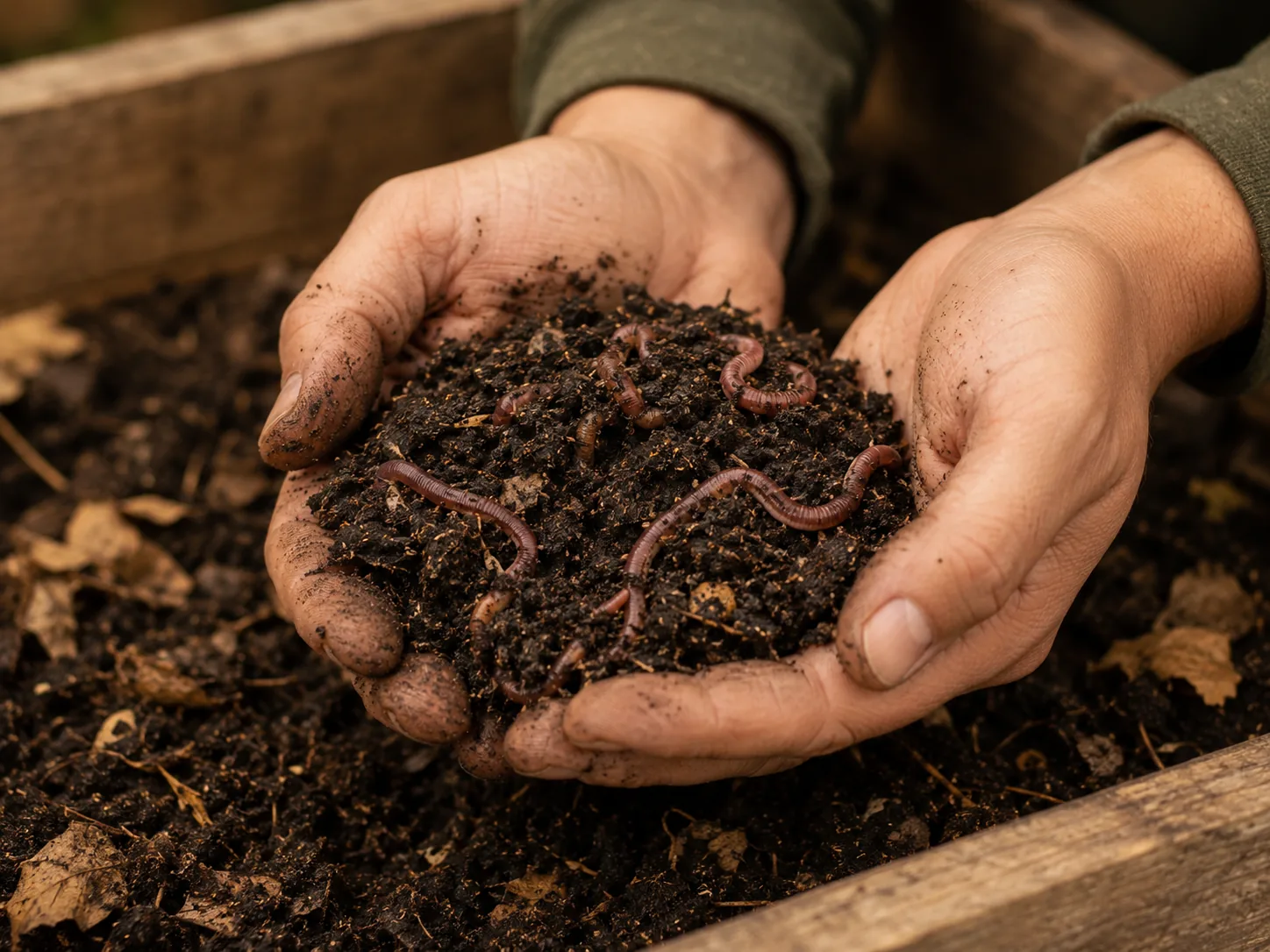
Weekly farm note
Caleb’s Bin Check
A simple weekly check-in on moisture, bedding, food, and worm activity.
Read the bin checkFamily Learning Series
Care cards, food guides, bin checks, and simple lessons for keeping worms healthy and turning scraps into soil.
Follow the Farm
These sections are built to become your regular blog/social content series. They are also helpful customer education pages.
Weekly farm note
A simple weekly check-in on moisture, bedding, food, and worm activity.
Read the bin check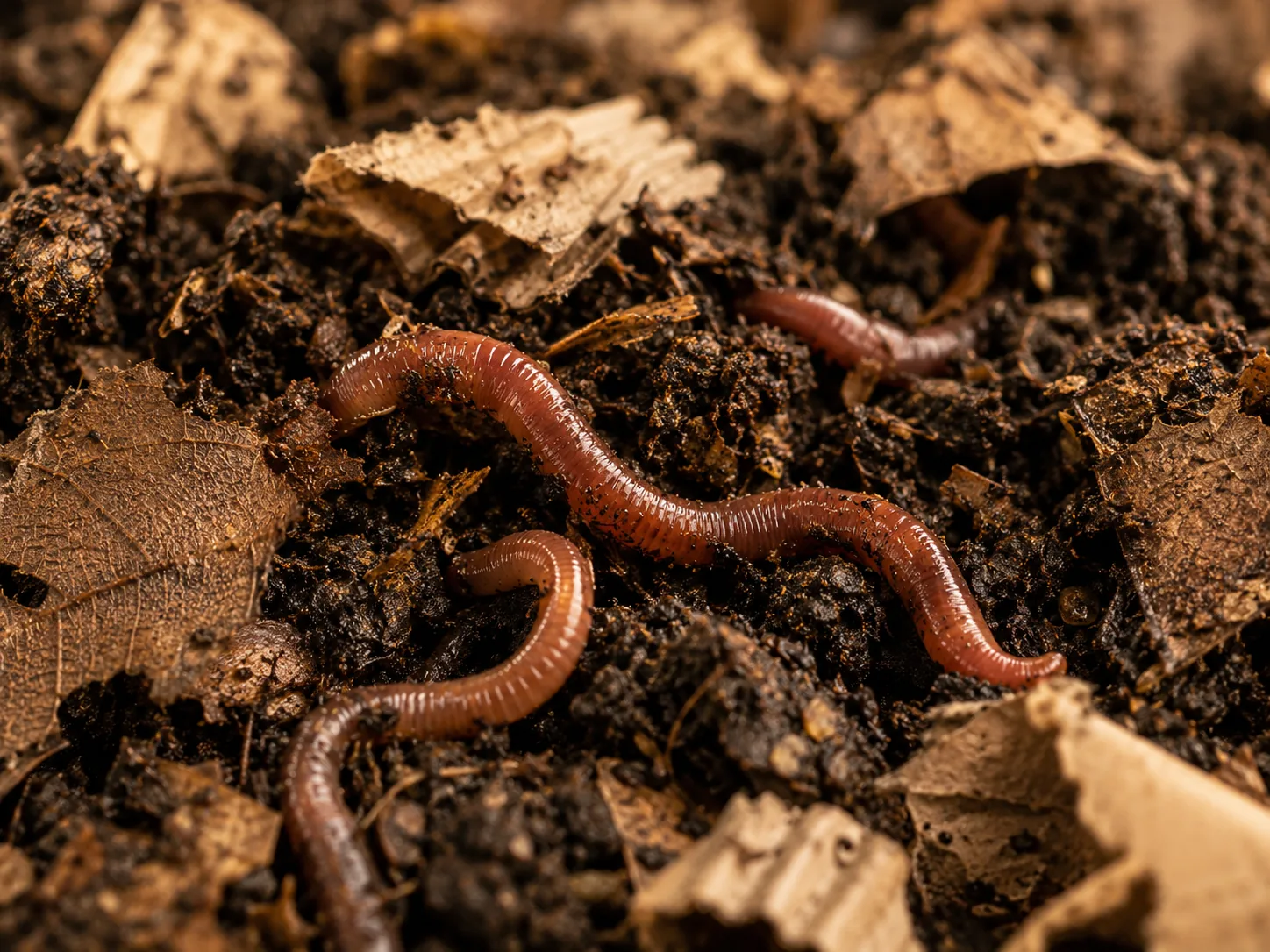
Worm science made simple
Kid-friendly worm facts about composting, soil health, and how red wigglers live.
Learn a worm fact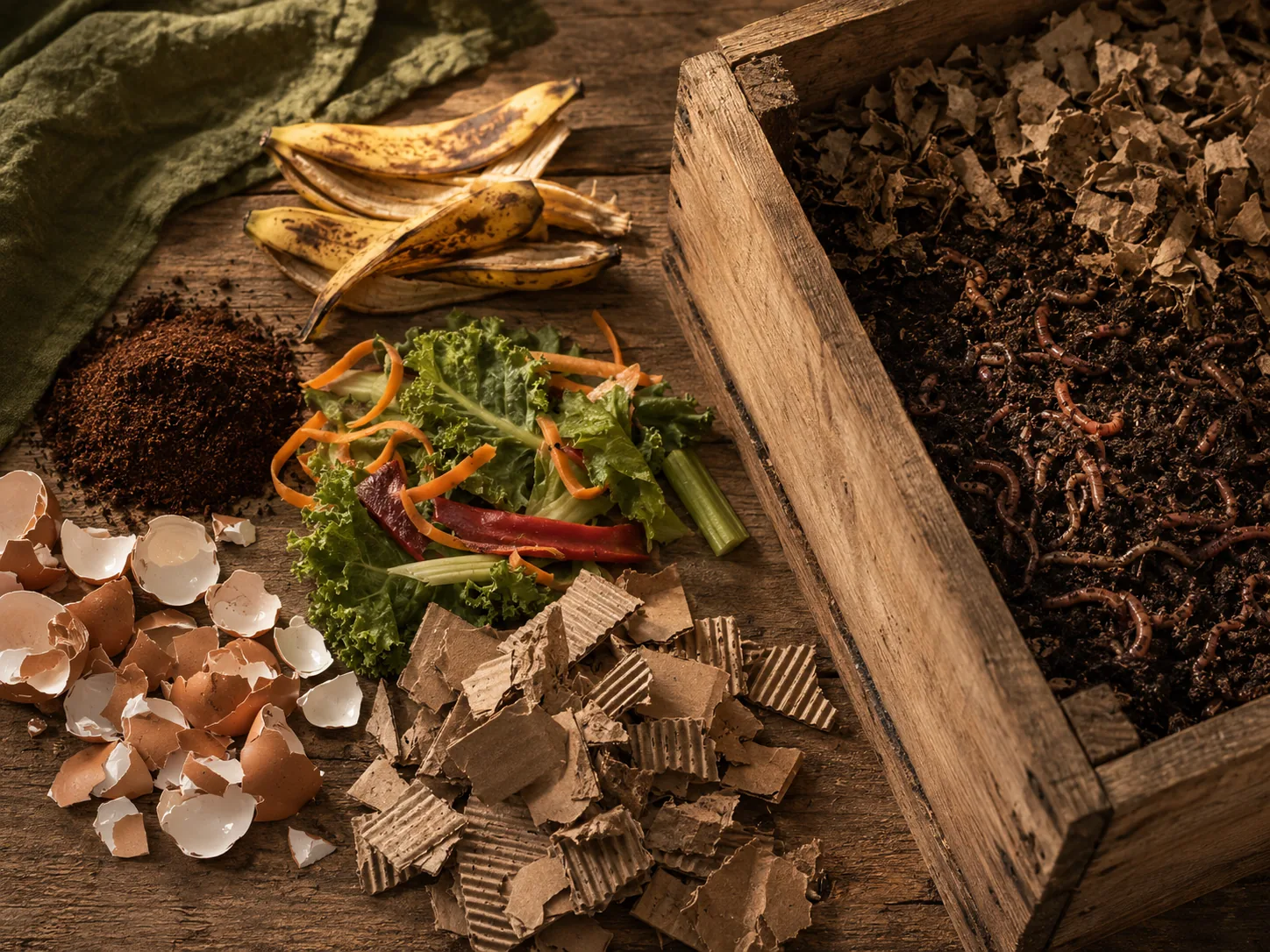
Scraps, bedding, and balance
A peek at the kitchen scraps, cardboard, leaves, and eggshells going into the bins.
See the menu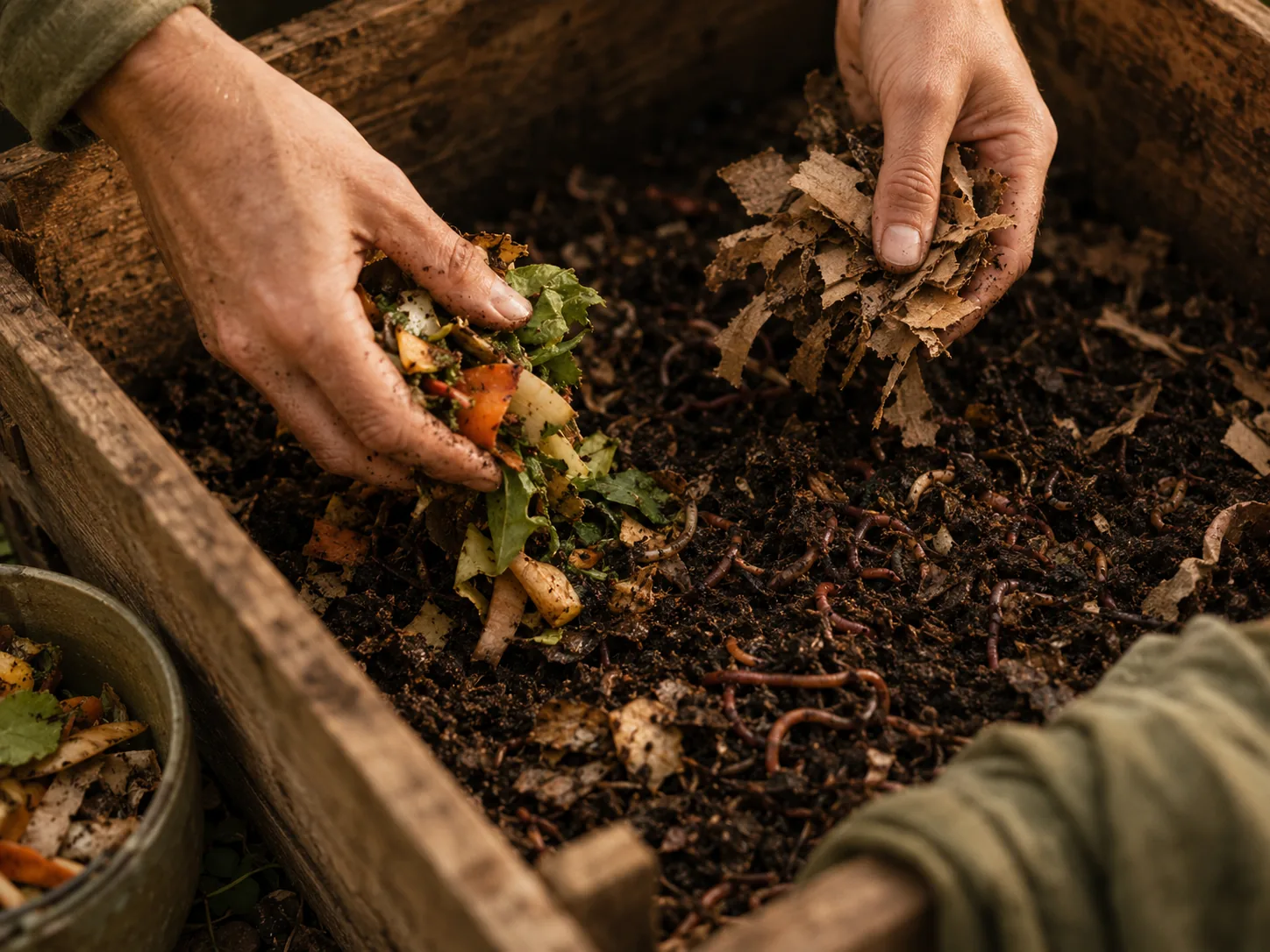
Beginner composting tips
Simple ways to keep a worm bin healthy while turning waste into better soil.
Start learningPrintable Guides
Use these on the site, in product pages, and later as downloadable care cards for customers.
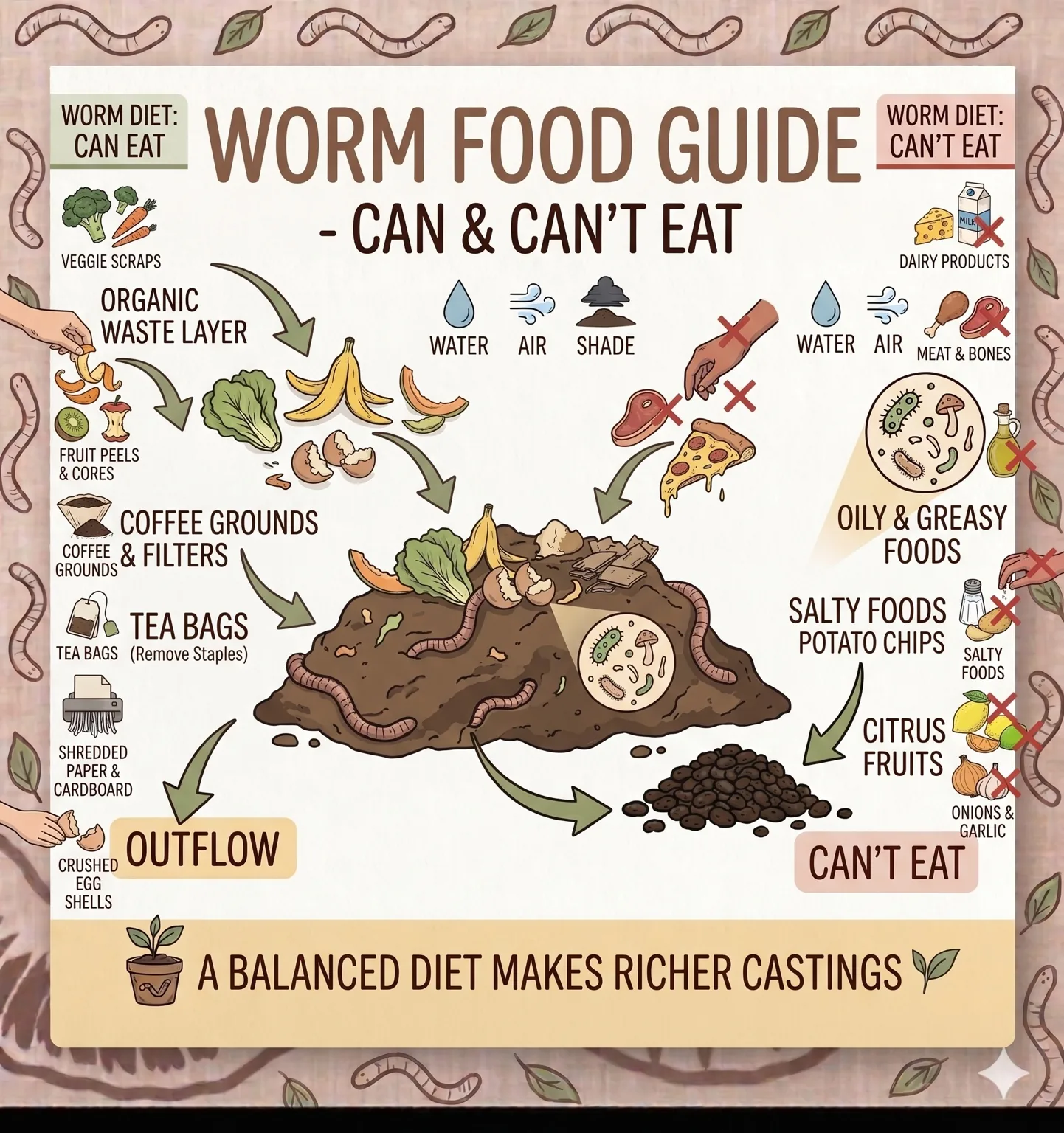
What red wigglers can and can’t eat, in one easy visual guide.
View Food Tips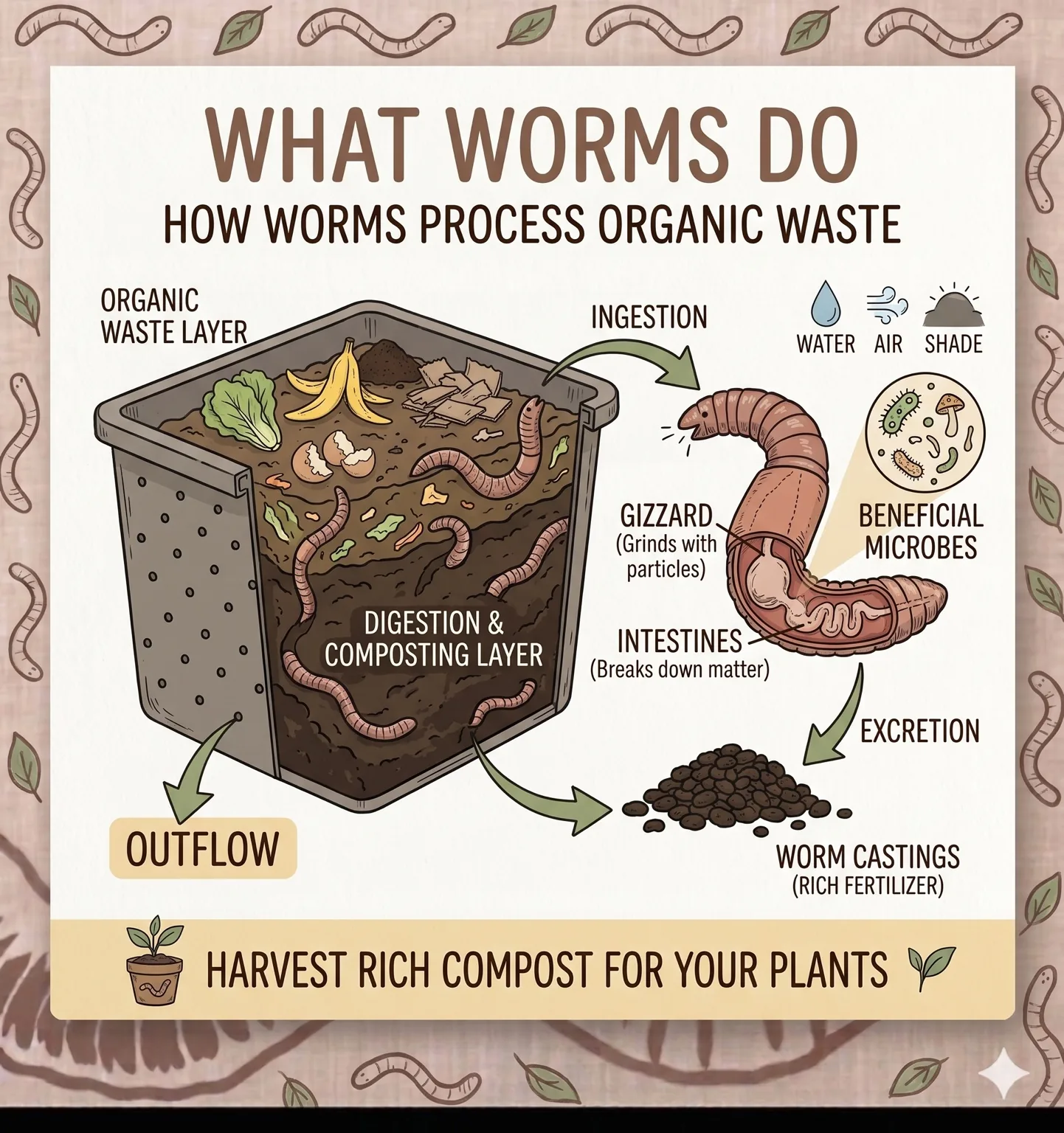
How worms help process organic material into garden-friendly castings.
Learn the Process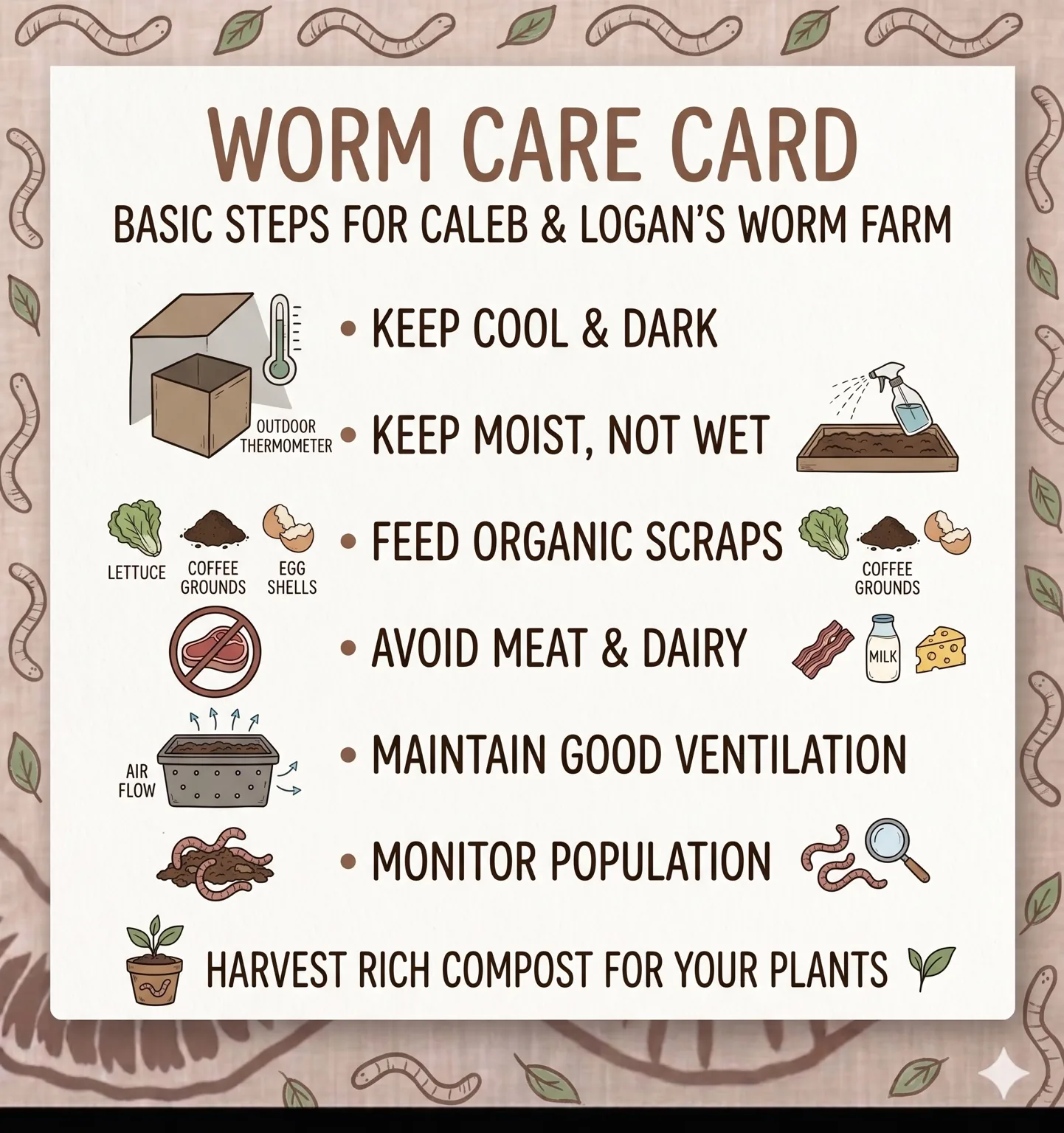
Keep cool, keep moist, feed lightly, and maintain airflow.
Read Care TipsQuick Answers
A healthy bin should smell earthy, stay moist, and have plenty of bedding.
Veggie scraps, fruit peels, coffee grounds, tea bags without staples, shredded paper/cardboard, leaves, and crushed eggshells.
Meat, dairy, grease, oily foods, salty foods, heavy citrus, onions, garlic, and pet waste.
Damp like a wrung-out sponge. Add cardboard if it is too wet; mist lightly if it is dry.
Yes. Worm bins are a great supervised family project for learning about nature, responsibility, and soil.
Local Pickup
Skip the shipping. Support local. Place your order and pick up fresh worms right here in Virginia Beach.