🚚 Local pickup in Virginia Beach, VA   •   Family grown   •   Soil builders

What the Worms Ate This Week

Feed the habitat, not just the worms.

A weekly look at the scraps, bedding, grit, and simple choices that keep red wigglers healthy in a family worm farm.
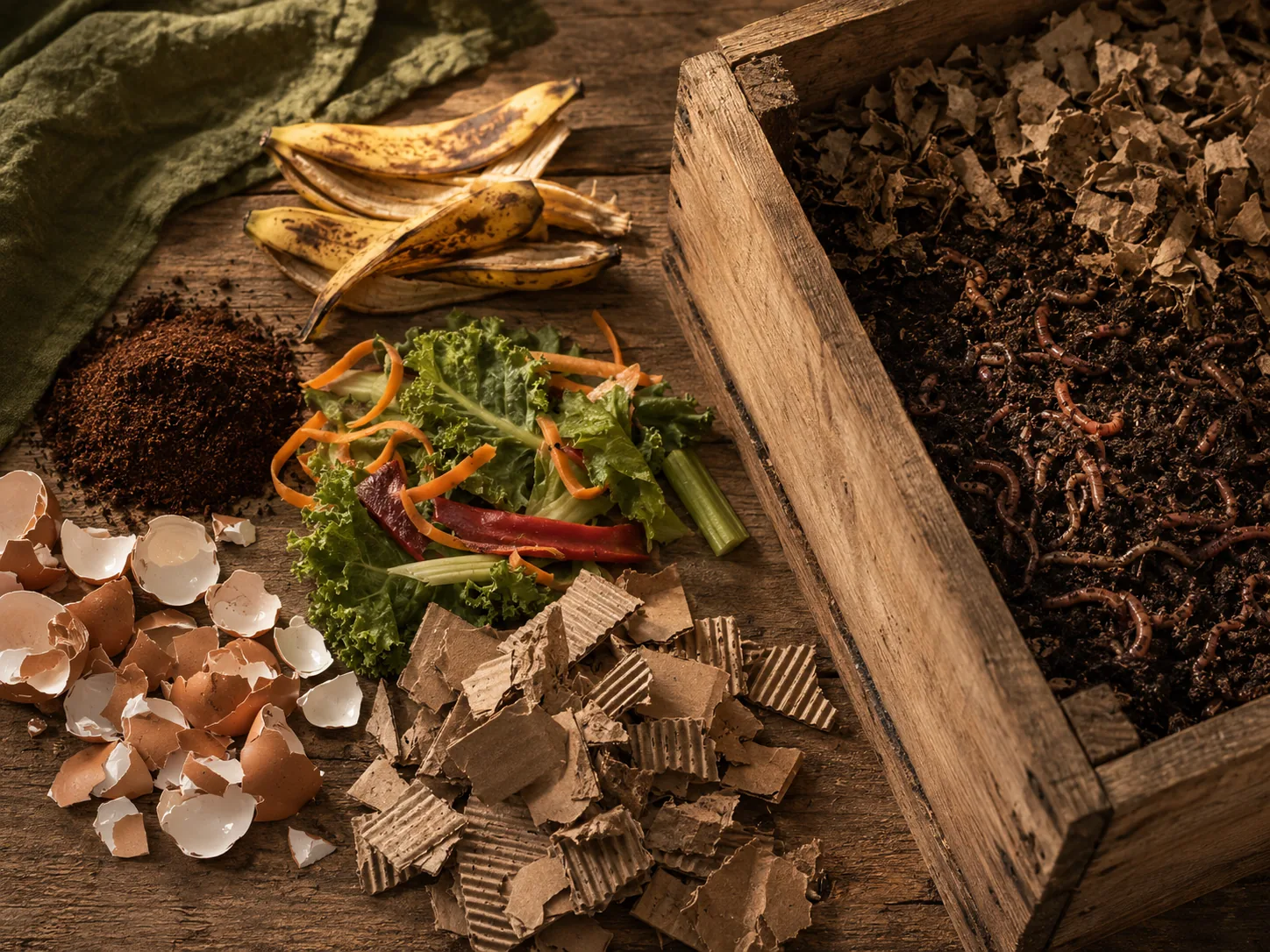
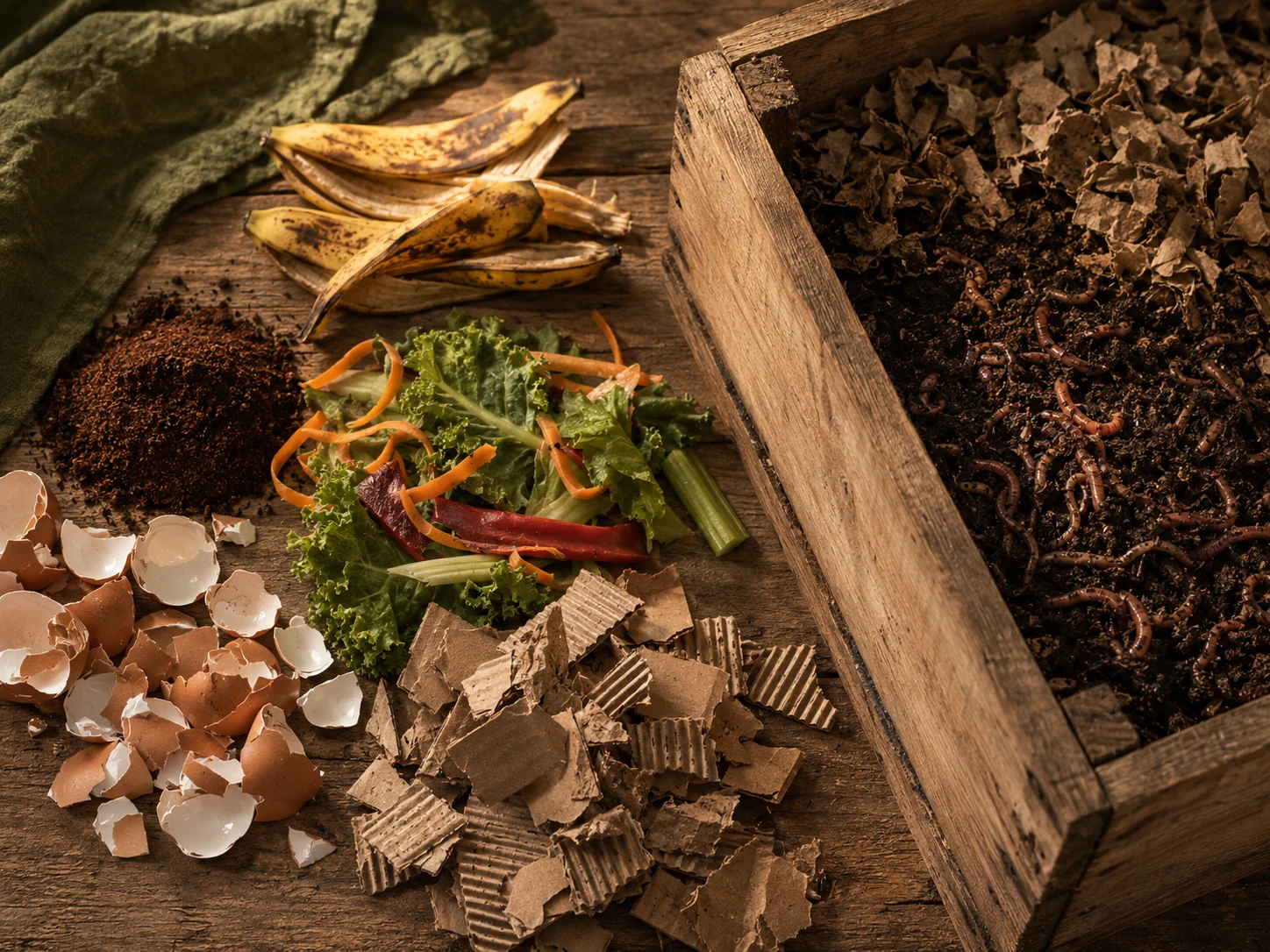
Banana peels vegetable scraps coffee grounds eggshells cardboard and a worm bin
Good worm feeding is a balance of soft scraps, carbon-rich bedding, moisture, air, and patience.

This week’s bin menu

Small meals. Plenty of bedding. No stink.

This is the kind of weekly feed mix we want customers to copy: modest food, lots of bedding, and a few simple checks before adding more.

🥬

Veggie scraps

Soft leafy greens, carrot peels, celery bits, pepper scraps, and small chopped plant pieces.

Use lightly
🍌

Fruit peels

Banana peels and small fruit scraps are worm favorites, but sweet foods can attract flies if overused.

Bury and cover

Coffee grounds

A small sprinkle of used coffee grounds mixed with bedding. Never dump a thick wet pile.

Mix well
🥚

Crushed eggshells

Dried and crushed eggshells add grit and help buffer acidity when used in small amounts.

Crush fine
📦

Shredded cardboard

Cardboard is not filler. It adds carbon, air pockets, moisture control, and worm habitat.

Add often
🍂

Dry leaves

Aged dry leaves help create a natural bedding layer and support a more stable bin.

Save bags
Worm feeding ingredients arranged beside a wooden worm bin
The safest bin meals are not huge. They are balanced, covered, and checked before feeding again.

The family rule

For every food pocket, add bedding.

Most beginner problems come from too much wet food and not enough carbon-rich bedding. When we feed, we also add shredded cardboard, paper, or leaves. Bedding keeps the bin loose, helps control odors, absorbs extra moisture, and gives worms a safe place to move.

1
Small handful of food
Chopped or softened scraps in one corner.
+
Two handfuls of bedding
Shredded cardboard, paper, dry leaves, or aged leaf mold.
Check before feeding again
If food is still sitting there, wait.

Can eat / can’t eat

Simple feeding boundaries.

A worm bin should smell earthy. If it smells sour, rotten, greasy, or like garbage, the menu needs to change.

Feed these

  • Vegetable scraps and soft plant trimmings
  • Banana peels and small fruit scraps
  • Used coffee grounds in small amounts
  • Plain tea bags with staples removed
  • Crushed eggshells for grit
  • Shredded paper, cardboard, and dry leaves

Avoid these

  • Meat, bones, fish, and seafood scraps
  • Dairy products like milk, cheese, and yogurt
  • Grease, oil, buttery foods, and sauces
  • Salty foods, chips, and seasoned leftovers
  • Large amounts of citrus, onion, or garlic
  • Pet waste, chemicals, glossy paper, and plastic

Printable helper

Keep the food guide near the bin.

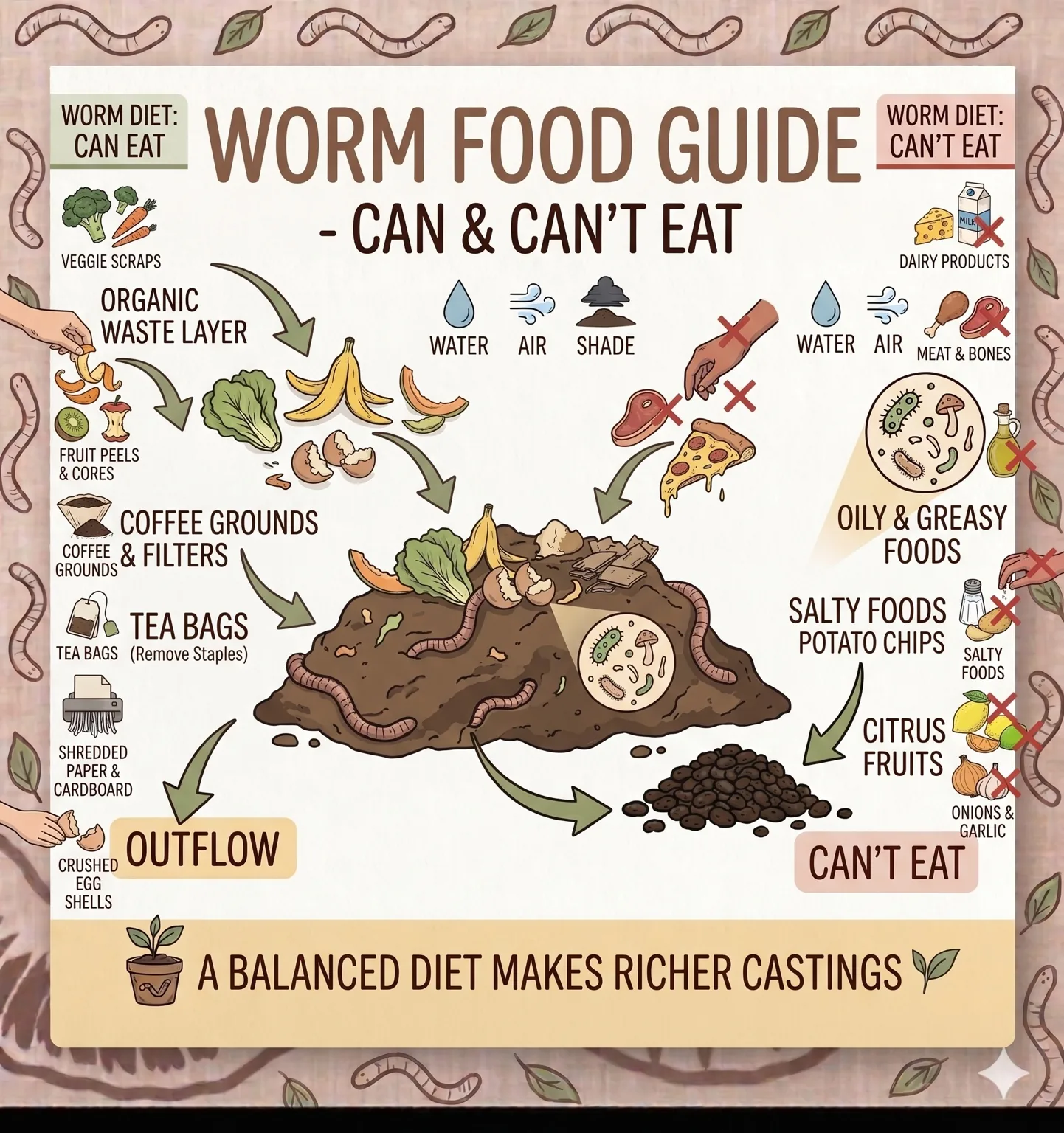
Customers, kids, and first-time worm keepers do better with simple reminders. The guide below is the quick “yes and no” version: what can go in, what should stay out, and why bedding matters.
1
Start small. Feed less than you think during the first week.
2
Chop or soften. Smaller pieces disappear faster.
3
Cover it. Bury food under bedding to reduce fruit flies and odor.
Illustrated worm food guide showing what worms can and cannot eat
Use the guide as a quick reminder before adding food scraps.

Weekly bin log

What to write down.

Keeping a simple log turns worm care into a repeatable system. It also helps the boys learn observation, responsibility, and cause-and-effect.
This week’s notes

  • □ Date checked: ____________________
  • □ Food added: ______________________
  • □ Bedding added: ___________________
  • □ Moisture: dry / good / too wet
  • □ Smell: earthy / sour / rotten
  • □ Worm activity: low / normal / high
  • □ Next action: ______________________
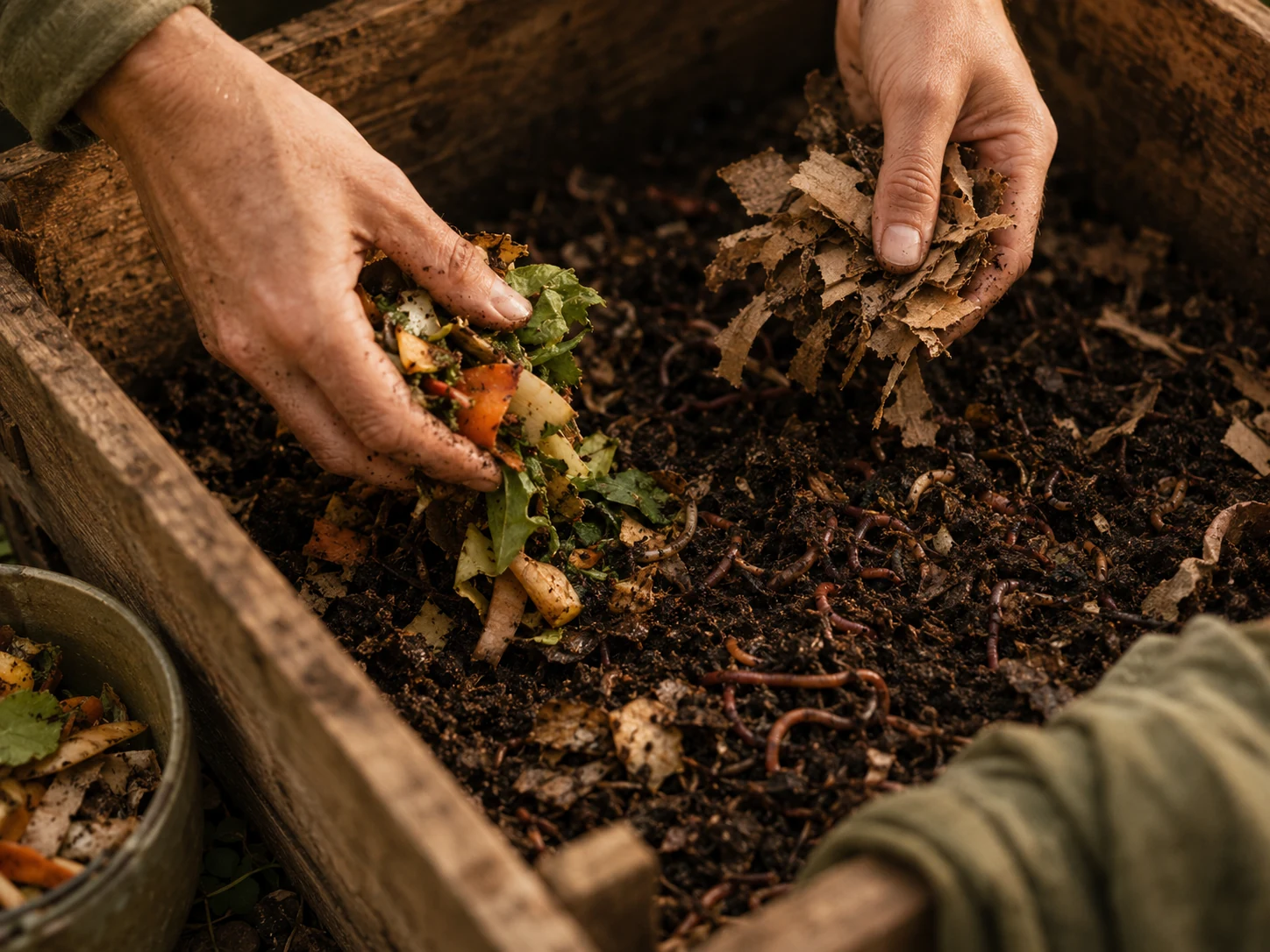
Hands adding scraps and cardboard into a worm bin
Feed lightly and keep bedding loose. The habitat matters more than the food.

Virginia Beach notes

Summer changes the menu.

When weather warms up, food scraps can sour faster and bins can heat up. In summer, we feed smaller amounts, add more bedding, avoid thick wet piles, and protect breeder bins from heat.

☀️
Before hot days: skip heavy feeding and add loose bedding.
🍉
Watery scraps: use sparingly because melon and wet fruit can make bins soggy.
🍂
When leaves are available: save them dry for future bedding.

Quick answers

Feeding questions we expect beginners to ask.

How often should I feed?

Feed only when the last food pocket is mostly disappearing. Early bins may need less food than expected.

Can I add grass?

Only after it wilts or pre-composts. Fresh grass can heat up, sour, and stress worms.

Why so much cardboard?

Cardboard controls moisture, adds structure, supports airflow, and gives worms habitat.

What if the bin stinks?

Stop feeding, remove obvious problem food, add dry bedding, improve airflow, and check moisture.

Keep learning
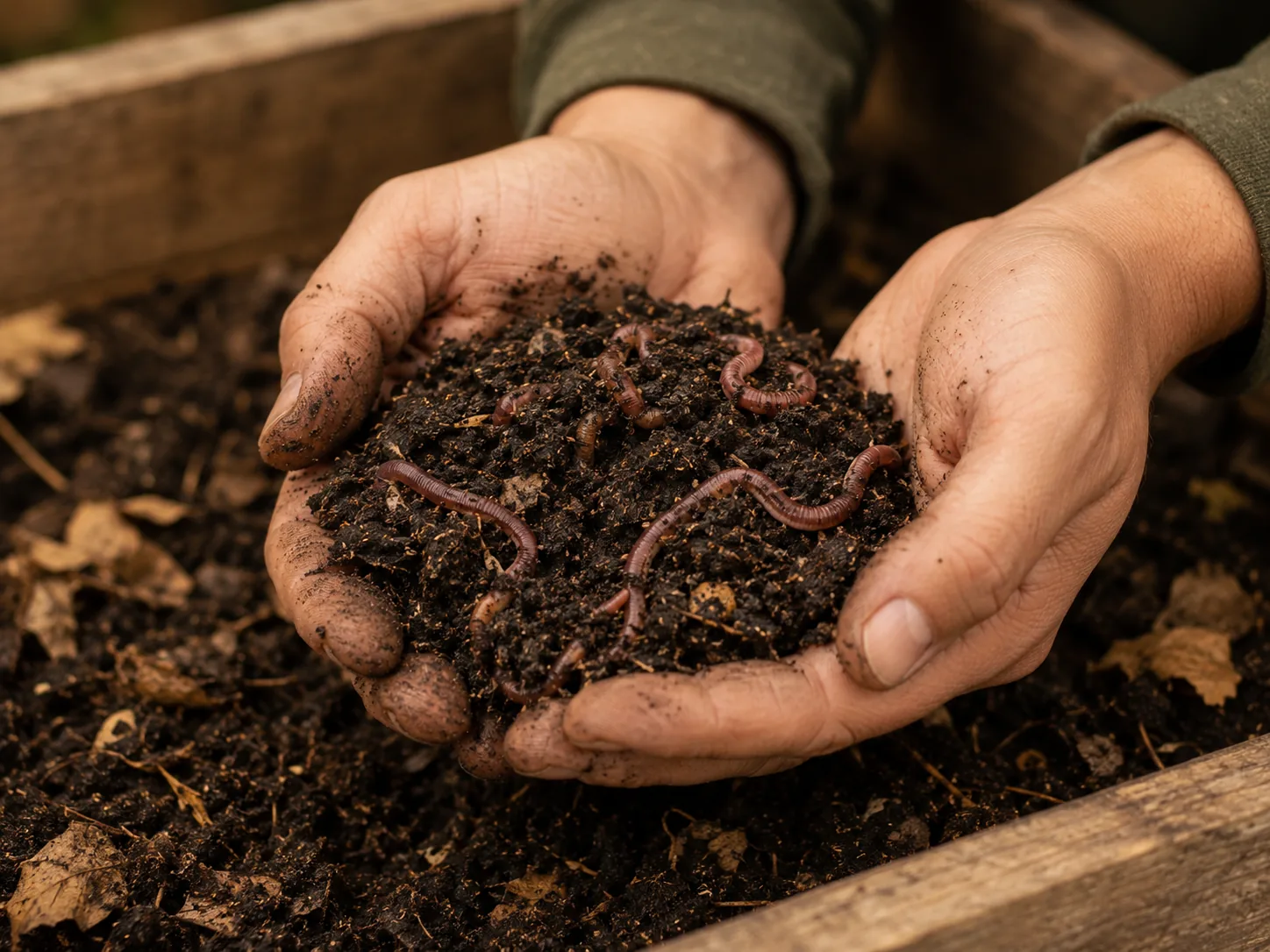
More from the family learning series.

Caleb’s Bin Check

Weekly farm note

Caleb’s Bin Check

A simple weekly check-in on moisture, bedding, food, and worm activity.

Read the bin check
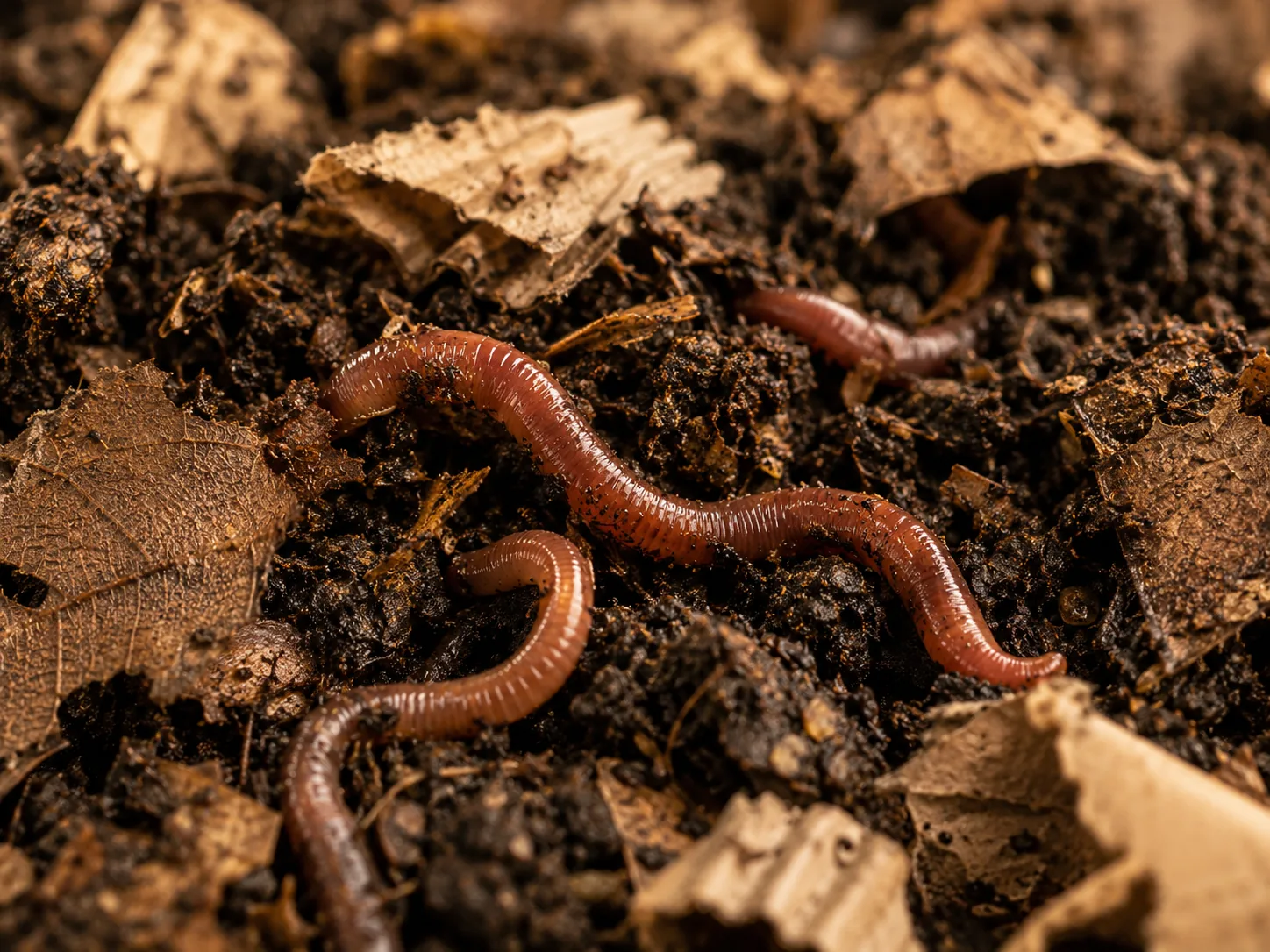
Logan’s Worm Fact

Worm science made simple

Logan’s Worm Fact

Kid-friendly worm facts about composting, soil health, and how red wigglers live.

Learn a worm fact
What the Worms Ate This Week

Scraps, bedding, and balance

What the Worms Ate This Week

A peek at the kitchen scraps, cardboard, leaves, and eggshells going into the bins.

See the menu
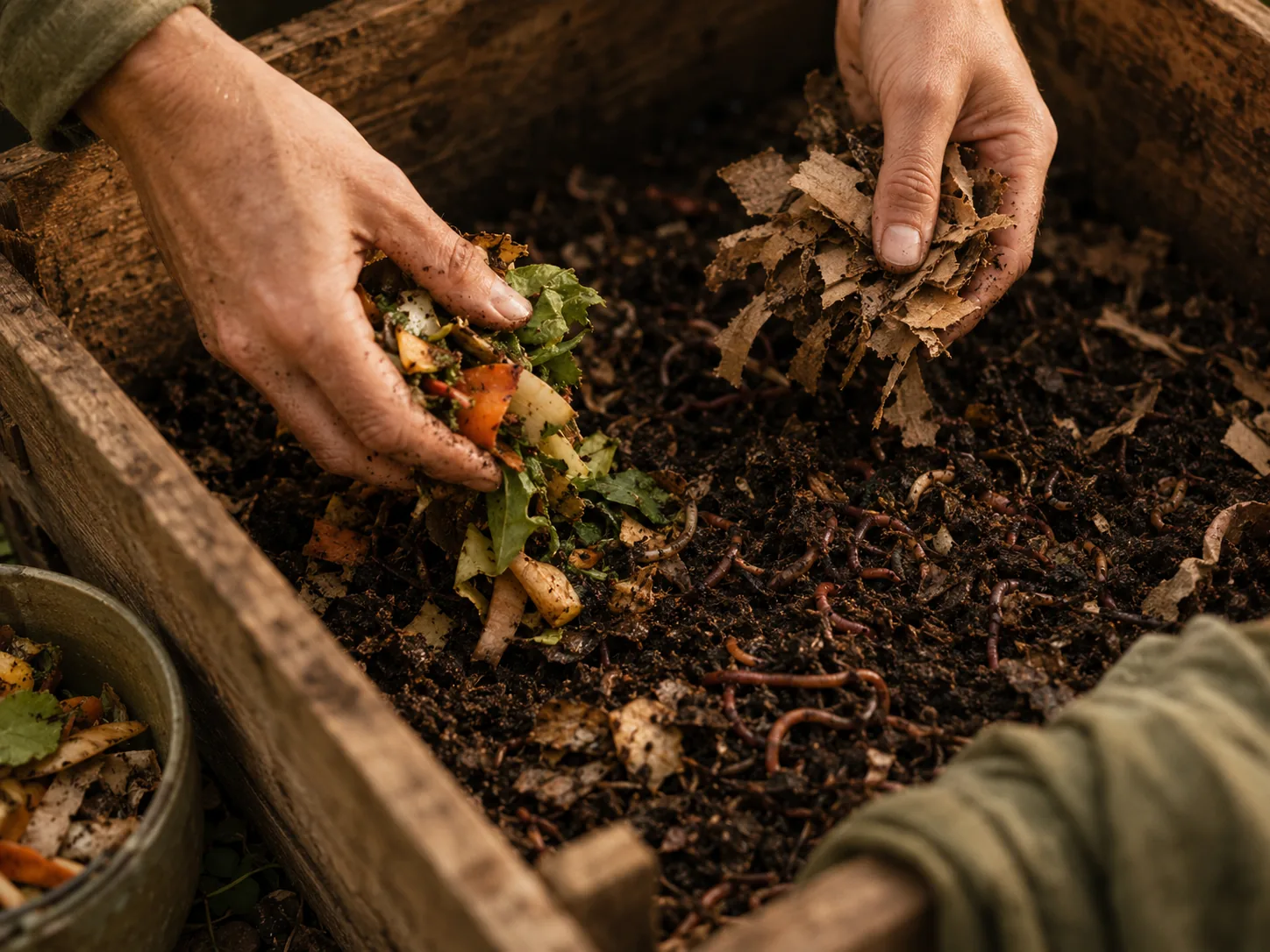
Scraps to Soil

Beginner composting tips

Scraps to Soil

Simple ways to keep a worm bin healthy while turning waste into better soil.

Start learning

Need worms or a starter kit?

Start with a healthy culture and simple instructions.

We pack local red wigglers in moist bedding with beginner-friendly care notes. Pickup in Virginia Beach.

Local Pickup

Fresh worms in Virginia Beach, VA

Skip the shipping. Support local. Place your order and pick up fresh worms right here in Virginia Beach.

Order Now for Pickup